

Most product innovations go through extensive testing before they reach the market.
Brands invest heavily in concept validation, packaging research and in-store testing to understand whether consumers notice a product, understand it and are willing to buy it. These studies provide valuable insights into the critical moment of purchase.
But what happens after the purchase?
For many innovations, this is where the real story begins.
The phase that often remains invisible
A consumer choosing a product in-store does not automatically mean that the product becomes part of their daily routine.
Once a product enters the home, a completely different evaluation process starts. Consumers interact with the packaging, prepare the product, store it in their kitchen and compare it with alternatives they already use.
Questions suddenly emerge that are difficult to answer in a traditional research setting:
- Does the packaging work as intended?
- Are preparation instructions clear and intuitive?
- Does the product fit existing habits and routines?
- Does it earn a permanent place in the fridge or pantry?
- Most importantly: will consumers buy it again?
These factors often determine whether an innovation succeeds in the long term.
Why context matters
The challenge is not that traditional research methods are insufficient. The challenge is that real product usage happens within a specific context.
Consumers do not use products in isolation. They use them alongside competing products, within established household routines and often together with other family members.
What looks promising in a concept test may encounter unexpected barriers once it becomes part of everyday life. Small moments of friction — unclear packaging, inconvenient usage or a mismatch with existing habits — can significantly impact repeat purchase behaviour.
And repeat purchase is where sustainable growth is created.
Looking beyond the supermarket
At Bamboo Brands, we believe understanding consumer behaviour should not stop at the shelf.
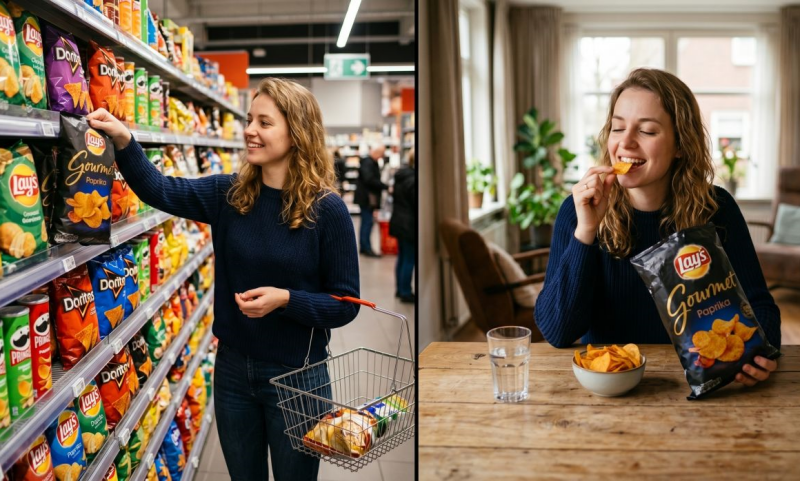
The supermarket reveals what consumers choose. Home usage reveals whether they continue choosing it.
By following products beyond the purchase moment and observing how consumers interact with them in their natural environment, brands gain a more complete understanding of what drives long-term success.
Because an innovation does not become successful when it is bought once.
It becomes successful when it earns a place in consumers' routines.
The difference that determines success
In the coming months, we will share more insights about this often-overlooked phase of consumer behaviour.
Because while the supermarket shows us what consumers buy, home usage shows us whether a product truly delivers on its promise.
And that difference can ultimately determine whether an innovation becomes a long-term success or quietly disappears from the shelf.
Curious what happens to your product after it leaves the supermarket?
We would be happy to explain how we investigate in-home consumer behaviour and what these insights can mean for your next innovation. A virtual or real coffee is easily arranged.